
Hair Transplant in Gurgaon: Procedure, Benefits, Cost Factors and Recovery
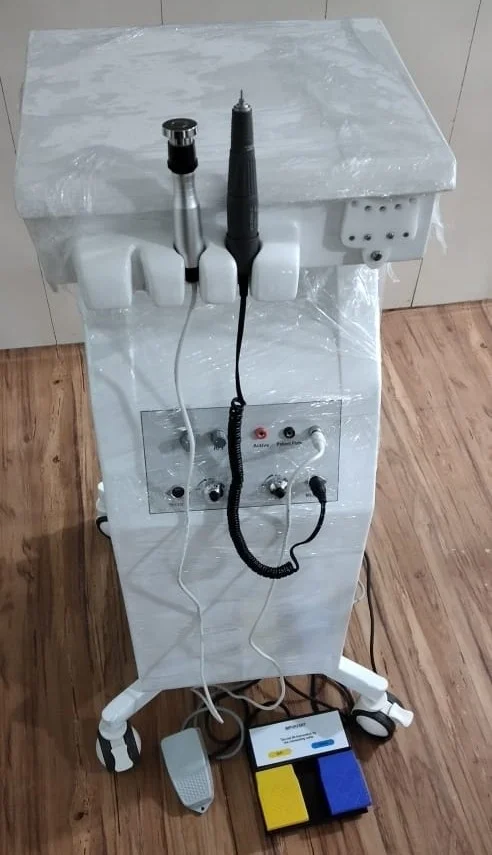
Hair loss is a common concern for both men and women. Thinning hair, a receding hairline and bald patches can affect a person's appearance and confidence. If you are experiencing ongoing hair loss, exploring the available treatment options can help you make an informed decision.
A hair transplant in Gurgaon is an option for people who want to restore hair in areas affected by certain types of hair loss. The procedure involves moving healthy hair follicles from one part of the scalp to areas where hair is thinning or missing.
Gurgaon has a range of dermatology centres and hair restoration clinics. However, choosing the right clinic requires careful research, consultation with a qualified doctor and a clear understanding of the procedure, cost and expected results.
What Is a Hair Transplant?
A hair transplant is a surgical procedure in which hair follicles are taken from a donor area, usually the back or sides of the scalp, and placed in areas affected by hair loss.
The transplanted follicles can continue to grow hair in their new location. However, the final outcome depends on several factors, including the cause of hair loss, the quality of the donor hair, the surgeon's skills and the individual's healing process.
Hair transplantation is commonly considered for pattern baldness, receding hairlines and certain other types of hair loss. A medical assessment is important to determine whether the procedure is suitable for you.
Types of Hair Transplant Procedures
Before choosing a hair transplant clinic in Gurgaon, it is helpful to understand the main techniques used in hair restoration.
1. Follicular Unit Extraction (FUE)
Follicular Unit Extraction, commonly called FUE, involves removing individual hair follicle units from the donor area. These follicles are then implanted into the areas that need more hair coverage.
Some potential benefits of FUE include:
-
Individual follicle extraction rather than removing a strip of scalp.
-
Small extraction marks instead of one long linear scar.
-
Flexibility in planning hair restoration for suitable candidates.
The procedure requires precision and careful handling of the hair follicles. The results depend on the treatment plan and the expertise of the surgeon.
2. Follicular Unit Transplantation (FUT)
Follicular Unit Transplantation, or FUT, involves removing a narrow strip of hair-bearing scalp from the donor area. The strip is divided into smaller grafts, which are then placed into the areas affected by hair loss.
FUT may be appropriate for some patients, depending on their donor hair, scalp condition and restoration goals. It generally leaves a linear scar at the donor site.
A qualified hair transplant surgeon can explain which method is appropriate for your individual needs.
How to Choose the Best Hair Transplant Clinic in Gurgaon
Choosing a clinic is one of the most important steps in the hair restoration process. Instead of making a decision based only on advertisements or low prices, consider the following factors.
Check the Doctor's Qualifications
Look for a properly qualified and registered medical practitioner with relevant training and experience in hair restoration surgery. Ask who will perform the procedure and who will be responsible for your treatment plan.
Review Previous Results
Ask to see genuine before-and-after photographs of patients with hair loss patterns similar to yours. Review the results carefully and ask how long after surgery the photographs were taken.
Remember that results vary from person to person, and photographs alone cannot guarantee a similar outcome.
Understand the Treatment Plan
A good consultation should include an examination of your scalp, an assessment of your donor hair and a discussion about your hair loss history.
The doctor should explain the proposed technique, estimated graft requirement, expected density, limitations and possible complications.
Check Hygiene and Aftercare
The clinic should follow appropriate hygiene and surgical safety practices. It should also provide written aftercare instructions and a clear process for follow-up appointments.
Proper aftercare is important for healing and protecting the transplanted grafts.
What Factors Affect Hair Transplant Cost in Gurgaon?
The cost of a hair transplant in Gurgaon varies from one clinic to another. There is no single price that applies to every patient because treatment requirements differ.
Common factors that influence the total cost include:
-
Number of grafts: Larger areas of hair loss may require more grafts.
-
Procedure type: The selected technique can affect the overall treatment cost.
-
Doctor's experience: The surgeon's qualifications and expertise may influence the fee.
-
Clinic facilities: Surgical facilities, equipment and support services can affect pricing.
-
Treatment complexity: The condition of the donor area and the hair restoration plan may change the procedure's requirements.
-
Follow-up care: Ask whether consultations, medicines and aftercare services are included in the quoted price.
Before booking, request a detailed written estimate. Compare treatment plans and safety standards rather than selecting a clinic on price alone.
Who Can Consider a Hair Transplant?
A hair transplant may be suitable for people who have a stable pattern of hair loss and enough healthy donor hair to cover the affected areas.
However, not everyone experiencing hair loss is a suitable candidate. A doctor may recommend investigating the cause before considering surgery.
Hair thinning can sometimes be related to nutritional deficiencies, hormonal changes, medical conditions, scalp disorders or temporary hair shedding. These problems may require different treatments.
A dermatologist can assess your scalp and recommend appropriate options. In some cases, medication or other non-surgical treatments may be worth considering before surgery.
Hair Transplant Procedure: What to Expect
The process usually begins with a consultation. The doctor reviews your medical history, examines your scalp and discusses your expectations.
If you are considered suitable, the surgeon plans the donor area, hairline design and number of grafts. The procedure is generally performed using local anaesthesia.
Hair follicles are collected using the chosen technique and carefully placed in the recipient area. Depending on the number of grafts and the treatment plan, the procedure may take several hours.
Before leaving the clinic, you should receive instructions about washing your scalp, protecting the grafts, taking prescribed medicines and attending follow-up appointments.
Recovery After a Hair Transplant
Recovery is an important part of the hair restoration journey. Mild swelling, tenderness, redness and temporary scabbing may occur after the procedure.
During the early recovery period, you should follow your surgeon's instructions carefully. Avoid rubbing or scratching the treated area, and ask your doctor when you can resume exercise, swimming and other activities.
It is also important to understand that transplanted hair may shed during the first few weeks. This can be a normal part of the process and does not necessarily mean that the transplant has failed.
New growth generally becomes noticeable after several months, while more complete results may take around 10 to 18 months, depending on the individual. Your surgeon can explain the expected timeline for your case.
Contact your doctor promptly if you experience severe pain, increasing redness, fever, unusual discharge or other unexpected symptoms.
Benefits and Possible Risks
For suitable candidates, a hair transplant can improve hair coverage and create a more natural-looking hairline. Transplanted follicles can provide long-lasting growth, although surrounding natural hair may continue to thin over time.
Like any surgical procedure, hair transplantation carries potential risks. These may include bleeding, infection, scarring, swelling, poor graft growth and results that do not meet expectations.
A careful medical assessment, realistic expectations and treatment by a qualified surgeon can help you understand and manage these risks.
Conclusion
A hair transplant in Gurgaon may be worth considering if you are experiencing persistent hair loss and want to explore a surgical restoration option. Understanding the available techniques, treatment costs, recovery timeline and potential risks can help you make a better decision.
Take time to research clinics, verify the surgeon's qualifications and attend a detailed consultation before proceeding. The right treatment plan should be based on your hair loss pattern, donor hair availability, medical history and personal goals.

 English
 Arabic
 French
 Spanish
 Portuguese
 Deutsch
 Turkish
 Dutch
 Italiano
 Russian
 Romaian
 Greek